Board Games Have A Long History – Now, Play Them On Your Device

From Ancient Tables To Pocket-Sized Digital Tablets

Long before phones, strategy traveled by pieces and grids. From Egypt’s senet to China’s go and India’s chaturanga, play mapped culture, trade, and philosophy. Medieval Europe refined chess; Africa spread mancala’s counting elegance; Scandinavia staged hnefatafl raids. Tiles and bones became mahjong and dominoes; dice measured fate. As printing and railways connected cities, cafés turned into social clubs. Today, board games bridge that lineage with apps that preserve rules, reduce setup, and keep tables ready wherever hands and minutes happen to be.
Why Digital Adaptations Respect Rules And Rituals

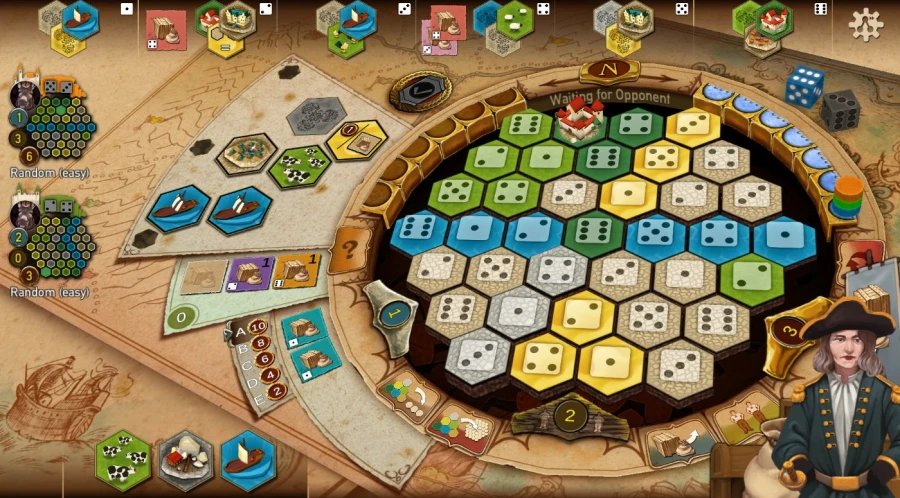
Faithful adaptations do more than digitize cardboard; they respect pacing and ritual. Rulebooks become interactive tutorials, undo buttons ease misclicks, and timers keep turns moving. Shuffle, draw, and dice rolls use transparent randomization, sometimes even seed values for replays. Official art, expansions, and variants arrive as toggles instead of extra boxes. Accessibility shines: colorblind palettes, readable fonts, and haptics reduce friction. Most apps enforce legality automatically, freeing you to focus on positioning, probability, and diplomacy rather than policing components or arguing edge-case interpretations.

Play Your Way With Flexible Modes And Friends

Modern clients fit real lives with flexible play. Asynchronous turns let friends in different time zones finish a match over days, while live lobbies handle quick lunches. Pass-and-play recreates the couch; private tables keep groups intact. Ranked matchmaking and elo systems test mettle against strangers. Cross-platform accounts sync progress between phone, tablet, and PC. Integrated chat, emojis, and postgame logs reinforce sportsmanship. For newcomers to board games, built-in challenges and solo puzzles teach heuristics, opening gambits, and scoring rhythms before facing human opponents.

Picking Great Apps Without Ads Or Friction

Value and comfort vary, so shop wisely. Premium apps typically deliver polished interfaces, full rulesets, and ad-free sessions for a small one-time purchase, while free-to-try versions may gate expansions or cosmetics. Read recent update notes and server status to gauge support. Offline modes are vital for flights and commutes; cloud saves protect campaigns. Look for battery-friendly animations, scalable UI, and robust tutorials for teaching guests. Finally, verify moderation tools and reporting, because healthy communities nurture fair play and keep learning moments positive for everyone.

Honoring Tradition While Embracing Smart, Player-Friendly Innovation

Digital craftsmanship can enrich tradition without losing soul. Smart hints illuminate options without spoiling surprises; analytics summarize openings you favor and mistakes to revisit. Adaptive AIs scale from gentle tutors to fierce sparring partners. Shared replays, scenarios, and seasonal events keep classics fresh, while licensed soundtracks, lore snippets, and art books celebrate heritage. Ultimately, the screen complements the table. When travel, schedules, or space get tight, your device keeps rituals alive—and welcomes new players to timeless systems built on conversation, choices, and camaraderie.
Angry Birds Was A Sensation Years Ago – And It’s Still Around

HOW ANGRY BIRDS CHANGED MOBILE GAMING FOREVER

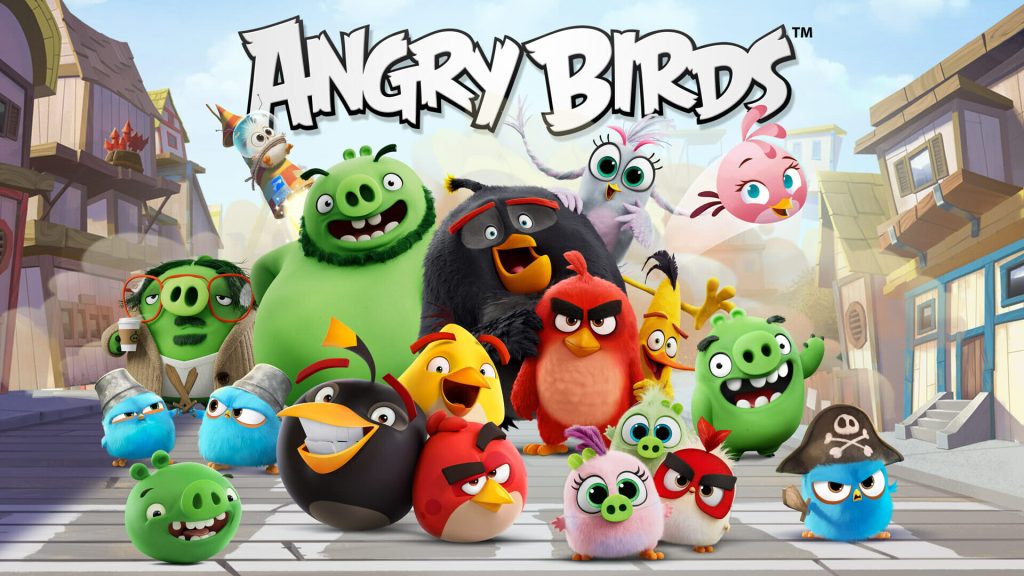
When Angry Birds first came out in 2009, it quickly became a global phenomenon. The game had a simple concept: use slingshots to launch birds at structures and defeat green pigs. It was easy to pick up, yet challenging enough to keep players engaged. Angry Birds stood out for its colorful graphics, fun characters, and creative level designs. The game wasn’t just another mobile app— it became a cultural craze that introduced millions of people to mobile gaming in a fun and addictive way.

WHY ANGRY BIRDS IS STILL POPULAR TODAY

Even years after its release, Angry Birds continues to be played and loved. One reason is its constant updates with new levels and events. The developers kept the game fresh by adding creative themes, new challenges, and even spin-off apps like Angry Birds Space and Angry Birds Friends. Over time, the game also expanded into other forms of entertainment, including movies, toys, and animated series. The combination of nostalgia and new content ensures the game stays relevant for both old and new fans.

WHAT MAKES THE GAME SO ADDICTIVE AND FUN

The secret behind Angry Birds’ success lies in its simple but rewarding gameplay. It’s satisfying to watch structures collapse after a perfect shot. Each bird has a unique ability, like splitting into multiple pieces or speeding up mid-air, which adds strategy to every level. The game also encourages you to replay stages to get higher scores or find hidden rewards. This blend of skill, strategy, and playful design keeps players coming back for more, even years after they first tried the game.

HOW ANGRY BIRDS IMPACTED OTHER MOBILE GAMES

Angry Birds didn’t just entertain millions—it also set the standard for mobile game development. It showed how important it is to combine simple mechanics with attractive visuals and fun sound effects. Many of today’s popular mobile games have been inspired by the success of Angry Birds. Its in-app purchases and advertisements also helped shape the business model for future mobile games. It proved that mobile gaming could compete with traditional video games and become a massive industry on its own.

WHY YOU SHOULD REVISIT ANGRY BIRDS TODAY

If you haven’t played Angry Birds recently, now is the perfect time to give it another try. With updated versions and new challenges, it’s still a fun way to pass the time and test your skills. Its timeless gameplay, lovable characters, and endless levels continue to make it one of the best mobile games ever created. Angry Birds remains an accessible and enjoyable way to dive back into the world of mobile gaming.

Are Famous Nintendo Games Available For Phone Play?

Nintendo’s Traditional Games Were Console Exclusives

For decades, Nintendo has been known for creating some of the most iconic video games in history. Famous franchises like Super Mario, The Legend of Zelda, and Pokémon have captured the hearts of millions. Traditionally, these games were exclusive to Nintendo’s own consoles, such as the Game Boy, Wii, and Switch. This exclusivity made players purchase Nintendo devices to enjoy their favorite titles. However, as mobile gaming became popular, questions arose about whether Nintendo would bring their games to smartphones.

Nintendo Has Entered The Mobile Gaming Market

In recent years, Nintendo has embraced mobile gaming and released several of its well-known franchises for phones. Recognizing the growing demand for mobile games, Nintendo introduced titles such as “Super Mario Run,” “Animal Crossing: Pocket Camp,” and “Mario Kart Tour.” These games are designed specifically for smartphones, offering unique gameplay that fits mobile devices perfectly. While they are not exact replicas of console games, they provide a way for fans to enjoy Nintendo’s magic on the go.

Super Mario Run Brought Classic Fun To Mobile

“Super Mario Run” was one of the first major Nintendo titles to make its way to mobile devices. Released in 2016, this game reimagined the classic Mario platformer gameplay for smartphones. Players control Mario as he runs automatically, tapping the screen to make him jump and collect coins. The simplicity of the controls made it easy to play, especially for mobile users, while still delivering the fun and challenging experience that the Mario series is known for.

Mario Kart Tour Became A Multiplayer Favorite

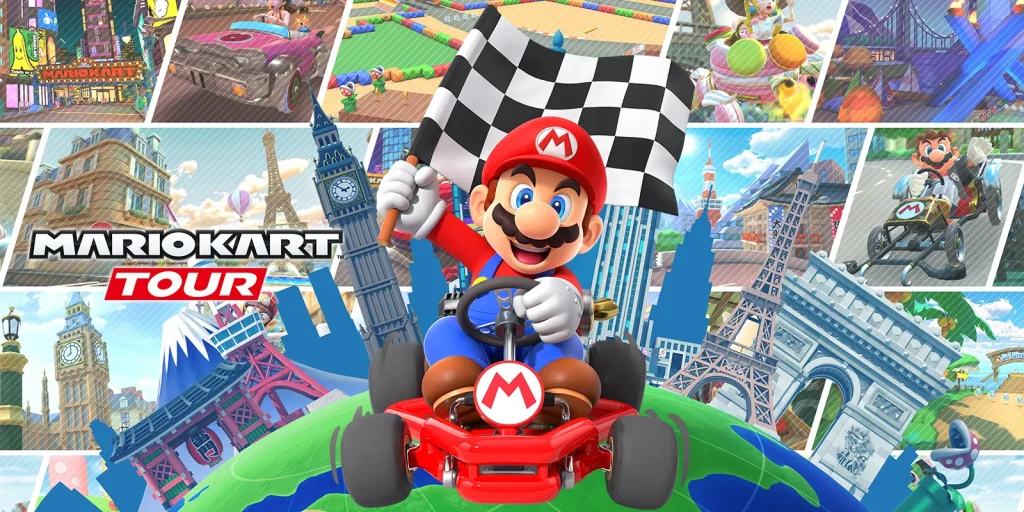
“Mario Kart Tour,” launched in 2019, allowed fans to enjoy the iconic kart-racing game directly on their phones. It features classic characters, exciting tracks, and even multiplayer options, which made it an instant hit. Though it is slightly different from the console version, it offers a similar racing experience and captures the charm of traditional Mario Kart games. Fans of the series found this mobile version a convenient way to play with friends anywhere and anytime.

Nintendo Is Bringing Its Classics To Mobile Gradually

Nintendo is taking small steps to bring its beloved franchises to mobile while maintaining its focus on its consoles. The company carefully adapts its games to suit smartphones, ensuring a good experience for players. Although not all Nintendo titles are available for phones just yet, the growing number of mobile releases shows that Nintendo is committed to reaching a wider audience in creative ways. Fans now have exciting opportunities to enjoy Nintendo’s magic beyond consoles.

Puzzles On Phones Sounds Silly? Ask The Millions Who Play Wordle

In today’s world, phone games are more popular than ever, and one of the most loved game types is puzzles. From simple crossword games to worldwide sensations like Wordle, these games have captured the attention of millions. Despite their simplicity, phone puzzles bring fun, mental stimulation, and connection to players everywhere. Let’s dive into why these games have taken over so many screens around the world.

Why Puzzle Games Like Wordle Are So Addictive

Puzzle games like Wordle are designed to grab your attention immediately. Their rules are simple, making them easy for anyone to start playing. Add to this a daily challenge or a ticking clock, and players feel driven to complete tasks to improve their skills. Unlike long, complicated video games, puzzles give instant results, making them both relaxing and exciting. This combination makes Wordle and similar games highly addictive for millions of people.

Mental Health Benefits Of Playing Puzzle Games

Word puzzles don’t just entertain—they also exercise the brain. Solving puzzles requires focus and problem-solving, which can improve cognitive skills over time. Games like Wordle can sharpen memory, vocabulary, and even strategic thinking. Additionally, completing a challenging puzzle provides a sense of accomplishment, boosting happiness. For many, these small wins add a positive spark to their day, making puzzle games more than just a passing distraction.

Puzzles On Phones Promote Social Bonding Too

In the past, puzzles were often a personal activity, but today they’ve become a shared experience. A game like Wordle lets players share their results online, creating friendly competition between friends, family, or even strangers. This social aspect has made puzzles even more engaging, as people enjoy comparing their progress and strategies. For example, many Wordle players brag about solving the puzzle in just a few tries!

They Are Perfect For Quick, Fun Entertainment

One reason puzzles have become so popular on phones is their convenience. People can play a quick game during a work break, on a commute, or as part of their morning routine. Unlike games that demand hours of your time, puzzle apps give you something enjoyable that fits into your schedule. They are simple to access, require little effort to play, and are perfect for those who need quick entertainment but also want to engage their brain.

The Massive Popularity Proves They’re Not Silly

What started as a niche form of entertainment has grown into a global phenomenon, with millions of users playing puzzle apps daily. Games like Wordle show that puzzles aren’t silly but actually meaningful and rewarding activities. They bring joy, foster connections, and keep minds sharp—all from the convenience of a smartphone. So next time someone doubts the value of puzzle games, just point them to the millions of happy players building their brainpower one puzzle at a time.